
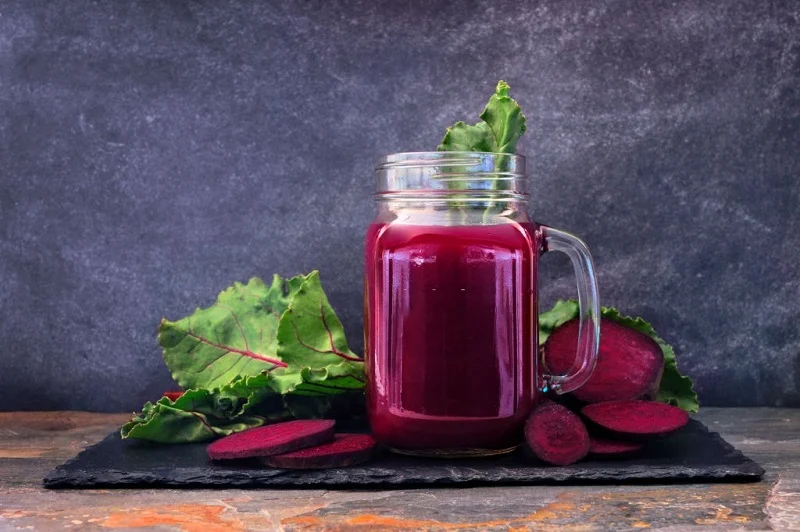
How Long Does Beetroot Juice Take to Work? Timing, Circulation and Performance Explained

How Long Does Beetroot Juice Take to Work for Circulation and Performance?
Beetroot juice is widely used to support circulation, endurance, and physical performance, but most people misunderstand how quickly it actually works. It is not immediate, and expecting a fast, noticeable effect is one of the main reasons people assume it does nothing.
The key factor is how the body processes nitrates. Beetroot is rich in dietary nitrates, which are gradually converted into nitric oxide. This compound helps blood vessels relax and widen, improving blood flow and oxygen delivery. That process takes time, which is why timing matters more than most people realise.
Research consistently shows that nitric oxide levels peak around 2 to 3 hours after drinking beetroot juice. That window is where circulation support and performance benefits are most noticeable. Drinking it right before activity usually does very little, not because it doesn’t work, but because the process has not finished yet.
In practical terms, if you are using beetroot juice for training, energy, or circulation, you need to think ahead. The benefit shows up later, not immediately after drinking it.
If you want a deeper explanation of how this works inside the body, including nitric oxide production and blood vessel response, read this guide on how beetroot juice improves circulation.
Once you understand the timing window, the next step is applying it properly — here’s the best time to drink beetroot juice for circulation depending on your goal.
What You Actually Feel (And What You Don’t)
Beetroot juice does not feel like a stimulant. There is no sudden energy spike, no sharp increase in focus, and no immediate “kick.” This is where most people get it wrong. They are expecting something they can feel straight away, when the real effect is happening in the background.
What you may notice instead is more subtle. During training, effort may feel slightly easier, endurance may improve, and fatigue may build more slowly. Some people notice a stronger muscle pump or better stamina during longer sessions. These changes are small but consistent.
Over time, the effect becomes clearer. With regular use, many people experience more stable energy, fewer dips during the day, and better overall performance. It is not dramatic, but it is reliable when used properly.
If you are looking for something obvious and immediate, you will likely miss the benefit completely. Beetroot works through circulation, not stimulation.
Why Timing Matters More Than Amount
A common mistake is assuming that drinking more beetroot juice will improve results. In reality, timing is far more important than quantity. If you drink it too late, the benefit arrives after you actually needed it.
This is why most research and real-world use points to the same window: around 2 to 3 hours before activity. That timing lines up with peak nitric oxide levels, which is when blood flow support is strongest.
Using it consistently at the right time will produce better results than increasing the amount or using it randomly.
How Much Beetroot Juice Should You Drink?
Most studies use between 250ml and 500ml per day, which is enough for most people to see benefits. Some respond well at the lower end, while others need slightly more, but pushing beyond that range rarely improves results.
The better approach is to start within that range, use it consistently, and adjust if needed. Large amounts can cause digestive discomfort without adding meaningful benefit.
Consistency beats volume. A moderate daily intake used properly will outperform occasional large servings.
Why Fresh Juice Works Better
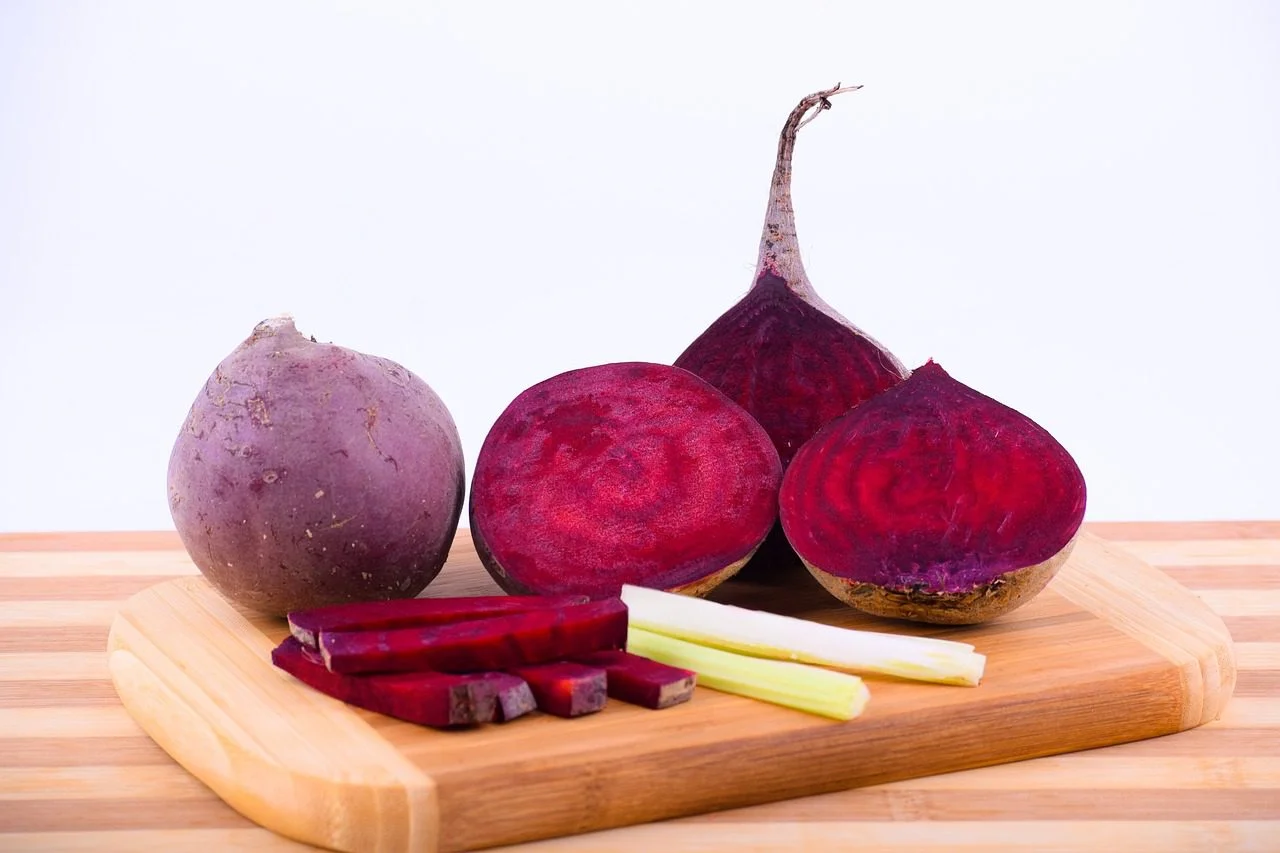
Fresh beetroot juice contains higher nitrate levels than cooked beetroot. Heat reduces nitrate content, which directly limits how much nitric oxide your body can produce.
If your goal is circulation, endurance, or performance, fresh juice is the more effective option. Cooking still provides nutrients, but it does not deliver the same effect on blood flow.
Why Some People Don’t See Results
There are several reasons beetroot juice appears ineffective, and most of them come down to how it is used rather than the ingredient itself.
- Drinking it too close to exercise
- Using it inconsistently
- Expecting immediate results
- Poor overall diet and recovery
There is also individual variation in how efficiently nitrates are converted into nitric oxide. Some people respond quickly, while others need consistent intake before noticing a difference.
This is why results can feel inconsistent. The habit needs to be stable before the benefit becomes obvious.

Simple Daily Strategy That Works
- Drink 250–500ml per day
- Time it 2–3 hours before activity
- Drink it slowly
- Use it consistently
These basics outperform complicated routines almost every time. Most problems come from inconsistency or poor timing, not from the juice itself.
If your goal also includes energy, performance, and hormone support, this connects closely with juicing to boost testosterone, where circulation plays a supporting role.
Beetroot juice works best when used consistently and timed properly. Treat it as part of your routine, not a quick fix, and you will get far more out of it over time.